Produced by United Nations
UN Special Representative for Libya Hanna Serwaa Tetteh said that critical infrastructure is increasingly vulnerable to pressures that the country cannot ignore due to its impact on people across all three regions of the country.
Addressing the Security Council, Tetteh said, “The need to move Libya’s political process forward remains crucial. The recent widespread electricity outages and public discontent, exacerbated by a prolonged heatwave, have exposed the consequences of institutional fragmentation, large-scale diversion of public resources, underinvestment and uncoordinated decision-making, all of which are essentially failures of governance.”
She said, “The crisis highlights a striking paradox. According to National Oil Corporation (NOC) data, approximately USD 1 billion is spent monthly on fuel imports, yet electricity systems remain vulnerable to fuel shortages. Evidence of large-scale diversion of subsidised fuel in the electricity and security sectors, as I have highlighted in previous briefings and has also been reported by the panel of experts, underscores the need for stronger oversight, accountability and coordination to ensure public resources are used to deliver the essential services Libyans depend on. The diversion of subsidised fuel is an unacceptable abuse of public resources and those responsible must be investigated and held accountable.”
She reported, “On 9 August the Governor of the Central Bank of Libya submitted a letter to the two chambers requesting to be relieved of his position. The move is an indication of the mounting pressure on the Central Bank - precisely the pressure the Unified Development Programme spending framework was intended to contain. The concerns raised by the Governor should be treated with seriousness and a sense of urgency. We encourage the Central Bank to resume publication of its monthly revenue and expenditure bulletins as previously announced in an effort to promote greater transparency and accountability.”
She also noted that Benghazi experienced a violent incident with the assassination of Major General Fawzi Mansuri, Director of the Military Intelligence Department for the LNA, on 10 August, in a reported car bombing.
She condemned “such acts of targeted violence and urge the authorities to investigate and hold those responsible accountable.”
She said, “Regrettably, the fragmentation of the judiciary persists. The conflicting outcomes of judicial challenges filed in relation to the dismissal and appointment of the intelligence chief demonstrate why this situation also needs to be addressed urgently.
She also said, “ Women in Libya continue to call for their full, equal, meaningful and safe participation in public life. I am concerned by the increase in hate speech, intimidation and misinformation targeting women and seeking to silence or marginalise their voices.”
She highlighted, “The UNSMIL-facilitated roadmap has made important progress. The Structured Dialogue concluded and the first two milestones of the roadmap have advanced, including on some of the most sensitive issues. However, it is important to note that progress does not solely require the efforts of UNSMIL but a sustained willingness of the Libyan political actors to engage constructively.”
For more information or to watch video on YouTube, click here.

Subscribe to:
Post Comments (Atom)
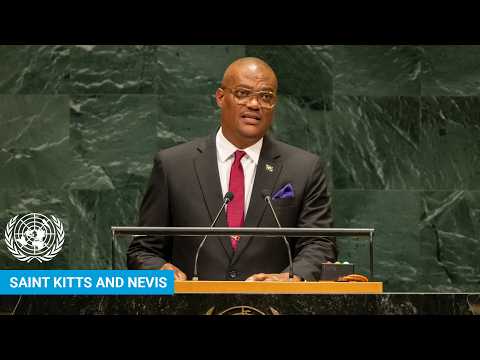
🇰🇳 Saint Kitts and Nevis - Deputy Prime Minister Addresses UN General Assembly 81st Session | #UNGA
Produced by United Nations Geoffrey Hanley, Deputy Prime Minister of Saint Kitts and Nevis, addresses the General Debate of the 81st Sessi...
-
Produced by LastWeekTonight This episode features: S13 E18: Trump & Crypto, Buc-ee’s: 7/26/26: Last Week Tonight with John Oliver For...
-
Produced by LastWeekTonight This episode features: S10 E21: Elon Musk & Season Finale: Last Week Tonight with John Oliver For more in...


No comments:
Post a Comment